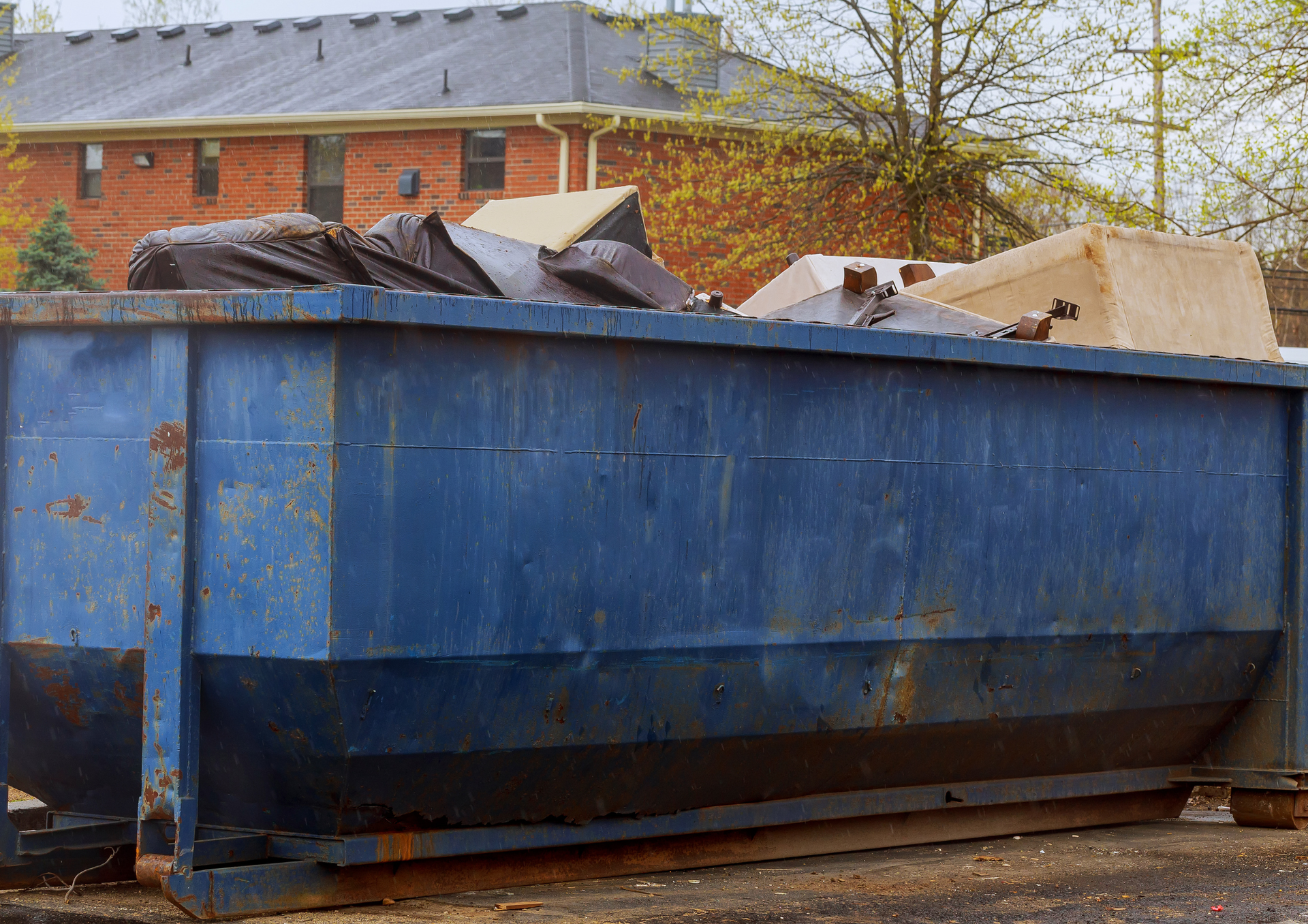

Practical Skips for Managing Waste in High-Traffic Urban Areas
Managing waste in densely populated environments presents unique challenges. Limited space, restricted access, and high foot traffic all require careful planning to ensure waste is handled safely and efficiently. For homeowners, landlords, surveyors, and local authorities overseeing residential and commercial properties, having a structured waste solution is essential to maintaining order and compliance.
Challenges of Waste Management in Urban Environments
Urban areas often come with space limitations that can make waste handling more complex. Narrow streets, restricted parking, and shared access points can affect where containers are placed and how collections are carried out. These factors require careful coordination to avoid disruption to surrounding properties and road users.
In high-density locations, waste can accumulate quickly, particularly during renovation or construction work. Without a designated containment system, debris may spread across pathways or communal areas, increasing the risk of hazards and delays. Using skips helps maintain control by providing a central point for disposal, keeping sites organised and easier to manage.
Noise considerations and working hours may also influence how waste removal is scheduled. Planning deliveries and collections at suitable times helps minimise inconvenience while ensuring projects remain on track.
Choosing the Right Skip for Urban Projects
Selecting the appropriate container is key when working in busy environments. Smaller skips are often preferred for properties with limited access, as they can be positioned more easily without obstructing surrounding areas. These are ideal for minor refurbishments, maintenance tasks, or property clearances.
For larger projects, including multi-unit developments or commercial refurbishments, higher-capacity containers may be required. In such cases, careful placement and coordination are essential to ensure accessibility while maintaining safety for pedestrians and nearby traffic.
Understanding the type of waste being produced is equally important. Heavier materials such as bricks, concrete, and soil require careful consideration to avoid exceeding weight limits. Matching the skip size to both volume and weight ensures efficient use and prevents unnecessary delays during collection.
Effective planning also involves anticipating how waste will be generated over time. Staged collections can help maintain site organisation and prevent overflow, particularly in projects where space is limited.
Maintaining Safety and Organisation on Site
Safety is a priority when managing waste in urban areas. Construction and renovation debris can pose risks if not properly contained. By using skip hire, materials are kept in a controlled environment, reducing the likelihood of accidents and ensuring clear pathways for workers and the public.
Clearly defined waste zones improve workflow and make it easier for teams to dispose of materials as they work. This approach reduces clutter and helps maintain a professional appearance, which is particularly important in visible locations such as residential streets or commercial premises.
Communication between contractors and waste providers is essential to ensure timely deliveries and collections. Having a reliable schedule in place allows projects to progress without interruption, even in busy surroundings.
If you need to order a skip, taking the time to assess site access, space availability, and waste type beforehand can make the process more straightforward and efficient.
Supporting Residential and Commercial Developments
Urban waste management plays a vital role in supporting both residential improvements and commercial growth. Homeowners undertaking renovations benefit from having a convenient solution for disposing of materials, while landlords managing property upgrades can maintain clean and organised spaces throughout the process.
Surveyors overseeing projects rely on structured waste handling to ensure sites remain compliant and well-managed. For local authorities, effective waste solutions contribute to maintaining public spaces and supporting ongoing development initiatives.
Commercial projects, including office refurbishments, retail updates, and construction works, often require consistent and reliable waste removal to keep operations running efficiently. By integrating them into project planning, businesses can maintain productivity while ensuring waste is handled responsibly.
Many customers now prefer to arrange services digitally and choose to skip online, allowing them to secure bookings quickly and manage schedules with ease. This modern approach supports efficient planning, particularly for projects operating within tight timelines.
In everyday conversations, some may refer to when discussing container hire, but ensuring clarity around requirements and correct usage helps avoid confusion and supports a smoother service experience.
The role of skips in urban environments is to provide a practical and structured method of managing waste, ensuring materials are contained, removed efficiently, and handled responsibly throughout the lifecycle of a project.
Skip Hire Kettering provides dependable waste solutions designed to meet the demands of urban environments. We offer practical guidance on selecting the right container, along with flexible delivery and collection options to suit your project schedule.
Our service is built around clear communication, efficient processes, and an understanding of both residential and commercial requirements. Whether you are managing a small home improvement or a large-scale development, we provide a straightforward and reliable approach to waste management.
Latest post on X: Practical
Skips for Managing Waste in High-Traffic Urban Areas – efficient waste control made simple.
You might also like