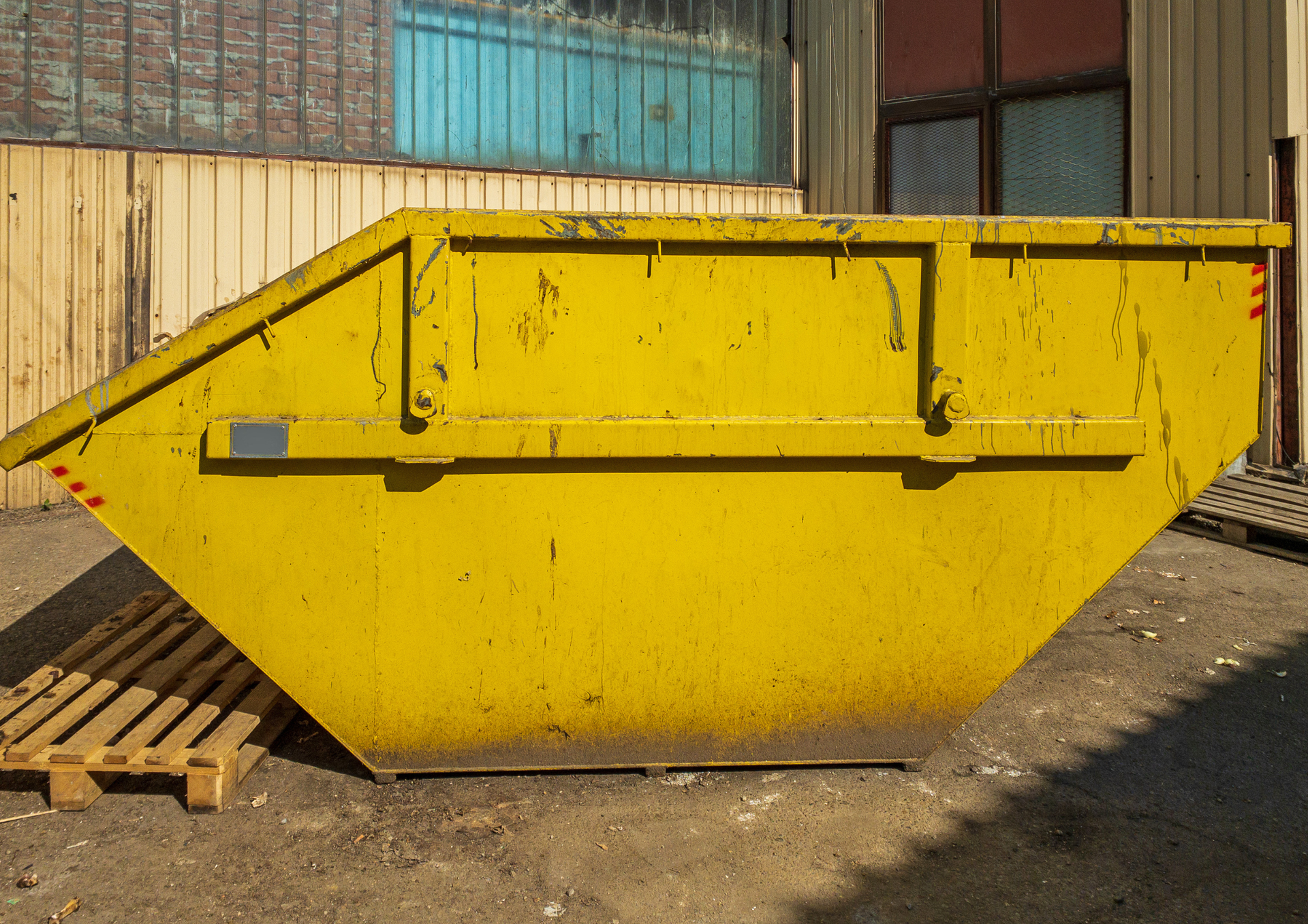

How Skip Hire Helps Keep Home Renovation Projects Better Organised
Renovating a property involves much more than choosing materials, arranging trades and deciding how the finished space should look. Waste management also needs careful consideration. Old fittings, packaging, timber, broken tiles, plasterboard and other unwanted materials can accumulate surprisingly quickly. Arranging skip hire as part of the initial project plan gives homeowners and property professionals a designated place for suitable waste and can make the working environment considerably easier to manage.
This is particularly important during projects where several jobs are being completed at the same time. Removing an old kitchen while electrical work, decorating or flooring is underway can create significant quantities of unwanted material in a relatively short period. Without an organised disposal method, rubbish may occupy driveways, gardens, corridors or other areas that are needed for the work itself.
The same principles apply whether a renovation takes place in Kettering or elsewhere in the UK. Homeowners completing smaller improvements may have very different requirements from landlords refurbishing rental accommodation, surveyors overseeing remedial work or local authorities managing residential properties. Commercial premises undergoing alterations can create different challenges again. In every case, considering waste volumes, access and project stages before work begins can make the overall process more manageable.
Planning Waste Removal Before Renovation Work Begins
Waste planning is most effective when it forms part of the renovation schedule rather than being considered only after unwanted materials have accumulated. Before work starts, it is useful to identify which parts of the property are being altered, what is likely to be removed and how much space is available for waste storage.
Assess the Scope of the Work
- A single-room decorating project will normally create a very different volume of material from a full kitchen strip-out or extensive property refurbishment.
- List the main jobs being completed and consider what will be removed during each stage.
- Existing cupboards, flooring, bathroom fittings, timber and packaging can take up considerable space once removed.
- Allow some flexibility because hidden or unexpected materials may only become apparent once work begins.
Consider the Types of Waste
- Different renovation stages can generate timber, metal, rubble, fixtures, packaging and general household materials.
- Understanding the likely waste types makes it easier to discuss suitable disposal arrangements before booking.
- Certain materials may require separate handling, so customers should check what can and cannot be placed in the chosen container.
- Keeping unsuitable materials separate can prevent avoidable complications during collection.
Think About Available Space
- Driveways and other suitable private areas can provide convenient placement locations where access permits.
- Customers should consider gates, parked vehicles, overhead obstacles and the space required by the delivery vehicle.
- The chosen position should allow convenient loading without unnecessarily obstructing everyday access.
- Where placement on a public road is being considered, applicable local requirements should be checked beforehand.
Match the Container to the Project
- Small decorating or clearance jobs may only produce modest amounts of rubbish.
- Kitchen renovations, bathroom replacements and larger refurbishment projects can require substantially more capacity.
- Choosing among available skip bins should be based on realistic waste estimates rather than simply selecting the smallest option.
- Professional guidance can be useful when the expected volume is difficult to judge.
Planning these details before trades arrive can reduce unnecessary movement of materials around the property. It also creates a clearer routine: suitable waste is removed from the work area, placed in the designated container and kept out of spaces required for ongoing renovation work.
Keeping Different Stages of a Renovation Better Organised
Most renovations progress through several stages rather than producing all their waste at once. A kitchen project, for example, might begin with removing cabinets and appliances before moving to electrical alterations, plastering, flooring, decorating and installation. Each stage can create different materials, and an organised disposal arrangement helps prevent yesterday's waste from interfering with today's work.
A central waste point can be particularly useful when several trades are operating at a property. Instead of leaving unwanted materials in different rooms or outdoor areas, workers have a clearly identified location for appropriate rubbish. This can free up valuable working space and reduce the amount of material that needs to be moved repeatedly.
Timing also matters. Having a container delivered too early may mean it occupies valuable space before substantial work begins. Arranging it too late can result in piles of unwanted materials accumulating while the project waits for disposal capacity. The appropriate timing will depend on the scale of the renovation and the order in which individual tasks are scheduled.
Customers comparing skip hire prices should therefore look beyond the initial figure and consider what is included in the service. Capacity, hire period, delivery arrangements, collection procedures and communication can all affect whether a particular option suits the project. Comparing services on a like-for-like basis provides a clearer picture than concentrating exclusively on the lowest quotation.
Organisation is equally important during longer projects. If renovation work lasts several weeks, customers should think about when the greatest volume of waste is likely to be generated. The demolition or strip-out stage often creates substantial material quickly, while later decorating and finishing stages may produce smaller quantities of packaging and offcuts.
Landlords preparing properties between tenancies may face tighter schedules, particularly when several rooms require attention before new occupants arrive. Surveyors or those responsible for larger property programmes may also need waste arrangements that fit around contractors and inspection schedules. In these situations, communication between everyone involved can help ensure that waste removal supports rather than interrupts the wider programme.
The objective is not simply to remove rubbish. Effective planning helps create a logical workflow in which materials leave the property as work progresses, allowing each stage to begin with fewer obstacles left behind from the previous one.
Choosing a Suitable Size and Position for the Project
Selecting an appropriate size and planning where it will be positioned can influence how efficiently renovation waste is handled. A container that is too small may fill earlier than expected, while one that is considerably larger than necessary may occupy valuable space. Site access is equally important because delivery and collection vehicles need sufficient room to operate.
Small Home Improvements
- Decorating, minor repairs and individual room clearances may generate relatively modest waste volumes.
- Consider the materials being removed rather than judging requirements solely by the size of the room.
- Bulky objects can occupy capacity quickly even when the overall project is small.
- Discussing the work in advance can help establish a more realistic requirement.
Kitchen and Bathroom Renovations
- Cabinets, worktops, tiles, sanitary fittings and flooring can produce substantial quantities of bulky material.
- Packaging from replacement products may add further volume as the project progresses.
- Estimating both removal waste and installation waste can provide a more complete picture.
- Customers should check how particular materials need to be handled before loading begins.
Larger Refurbishment Projects
- Whole-property renovations may involve several rooms and multiple stages of work.
- Coordinating waste arrangements with the project schedule can help prevent materials accumulating between stages.
- Local skip hire can be particularly practical where knowledge of surrounding roads and access considerations helps with delivery planning.
- For longer projects, collection timing should be considered alongside initial capacity.
Position and Accessibility
- The container should be positioned where it can be loaded conveniently without unnecessarily interfering with the property.
- Consider how builders, residents and other users will move around the site during the renovation.
- Keep access routes and vehicle movements in mind when selecting a proposed location.
- Discuss difficult entrances, restricted roads or unusual site conditions before confirming delivery.
Making these decisions early can prevent the disposal arrangement from becoming an obstacle itself. A suitable position should support the work taking place while providing practical access for loading and eventual removal.
Coordinating Collection with the Renovation Schedule
Collection should be treated as part of the renovation programme rather than an isolated final task. A container that remains on site after it is no longer needed can occupy useful space, while arranging removal before the project has finished generating waste can leave customers without adequate capacity.
The ideal collection point depends on the nature of the work. For a short household clearance or straightforward room refurbishment, removal may be arranged soon after the main work is complete. Longer renovations can require more careful coordination because different trades may continue producing waste at different stages.
Customers should avoid overfilling and should follow the provider's guidance regarding acceptable loading levels and materials. Planning how waste will be placed inside can also make better use of the available capacity. Large awkward items can consume considerable space when loaded without thought, whereas sensible organisation can help use the container more efficiently.
Communication becomes particularly important when project dates change. Renovations are not always predictable. Materials can arrive late, additional repairs can become necessary or individual stages can take longer than expected. Informing the provider about changes as early as possible makes it easier to discuss appropriate collection arrangements.
For projects operating to a particularly tight programme, same day skip hire may be useful when suitable availability exists and waste needs to be managed without waiting for a later delivery date. It is still important to assess the required capacity, waste type and access arrangements rather than allowing urgency to replace sensible planning.
The final stages of a renovation deserve the same attention as the initial strip-out. Packaging, offcuts and leftover materials can continue to accumulate while decorating, fitting and finishing work takes place. Waiting until these stages are complete before confirming that all suitable waste has been loaded can help avoid leaving unwanted materials behind.
For commercial properties and larger residential projects, an organised collection can also help prepare the site for cleaning, inspection or handover. Once unnecessary materials have been removed, it becomes easier to assess the completed work and identify any remaining tasks.
Good waste management can make a noticeable difference to the organisation of a renovation project. Thinking about likely waste volumes before work begins, choosing appropriate capacity, considering access and coordinating collection with the project schedule can all help prevent unwanted materials from becoming an unnecessary obstacle.
For homeowners, this can mean keeping driveways, gardens and working areas more manageable during disruptive improvements. Landlords can benefit from clearer planning when preparing properties for future occupants, while surveyors, local authorities and those responsible for commercial premises can incorporate waste arrangements into broader project schedules.
The most suitable approach will depend on the property, the type of renovation and the materials being removed. A small decorating project does not require the same planning as a complete refurbishment, and an accessible suburban property may present different delivery considerations from a site with restricted vehicle access.
Taking time to discuss these factors before booking skip hire helps establish realistic arrangements from the outset. Rather than treating waste as an afterthought, incorporating disposal into the renovation plan can support a cleaner, more organised working environment and make each stage of the project easier to manage.
Skip Hire Kettering provides a practical way for homeowners, landlords, surveyors, local authorities and those responsible for residential and commercial properties to arrange waste removal for renovation and improvement projects. We focus on clear communication so customers can explain the scale of their work, expected waste, access conditions and preferred timescales before arrangements are made.
Our approach is designed to keep the process straightforward. We can help customers consider suitable capacity, discuss delivery and collection arrangements and understand practical factors that may affect their booking. Whether the work involves clearing one room, renovating a kitchen, improving a rental property or managing a larger refurbishment, the aim is to provide an appropriate solution based on the actual requirements of the project.
By considering the details before delivery and maintaining communication throughout the hire period, customers can use skip hire as an organised part of their renovation plan rather than dealing with accumulated waste at the end of the work.
Check out our latest X update on how
skip hire helps keep home renovation projects better organised!
You might also like